

Storm damage & insurance claims
Storm damage? Start with an honest inspection.
We inspect and document the damage, meet your adjuster at the house, and walk you through the scope, so you know where you stand before any work begins.
After a storm
What to do first.
A few steps in the first days protect your home and make the claim easier.
-
Stay off the roof
Wet or damaged shingles are slippery, and a roof can look solid when it is not. Look from the ground and leave the climbing to us.
-
Photograph what you can see
Take dated photos from the yard and inside: missing shingles, dented gutters, ceiling stains, and anything the storm brought down.
-
Prevent more damage
Cover a leak or an opening if you can do it safely, and keep the receipts. Most policies expect reasonable steps to protect the home.
-
Check your policy
Look for how and when to report damage. Many policies ask for prompt notice.
-
Schedule an inspection
We look at the roof and exterior, document what we find, and tell you plainly whether it looks like storm damage.
Your insurance claim
From the first inspection to the final walkthrough.
We inspect and document the damage, meet with your adjuster, and help make sure the scope reflects what your home needs.
-
Inspect and document
We go over the roof and exterior and photograph every sign of damage, so you know what you are dealing with.
-
Meet your adjuster
We are at the house when the insurance adjuster comes out and point out the damage we documented, so it is seen firsthand.
-
Review the scope
We go through your insurer’s scope of work with you and explain anything that does not match what your home needs.
-
Build and walk through
Once the scope is final, we do the work and walk the finished job with you.
Your insurance company decides what is covered. Our job is to make sure the damage is documented and that you understand the scope before work begins.
The inspection
What we look at, and why.
- Shingles
- Bruises, cracks, and lifted or creased tabs from hail and wind.
- Flashing and vents
- Bent or loosened metal at chimneys, walls, and vents, where leaks usually start.
- Gutters and downspouts
- Dents and separated seams, which also show how hard the hail hit.
- Siding and trim
- Cracks, holes, and pieces the wind pulled loose.
- Soft metals
- Dents in vent caps and metal trim that help show hail size and direction.
- Attic and ceilings
- Stains, damp insulation, and daylight where there should not be any.
Know your rights
Before you sign with any contractor.
After a storm, out-of-town crews knock on doors. Pennsylvania’s Home Improvement Consumer Protection Act gives you real protections. Use them with everyone, including us.
-
Check the registration
Contractors must register with the Attorney General and put the number on their contract. Look it up at hicsearch.attorneygeneral.gov or call 1-888-520-6680.
-
Keep your three days
You can cancel a home improvement contract without penalty within three business days of signing.
-
Watch the deposit
A contractor cannot take more than one-third of the contract price up front, plus the cost of special-order materials.
-
Get it in writing
You are entitled to a full copy of the contract, with the work, the price, and the contractor’s insurance information spelled out.
-
No payment before the paperwork
A contractor cannot ask for payment until the contract has every required detail and you have signed it.
-
Take your time
Get more than one estimate and check references. A good contractor will still be there tomorrow.
Source: Pennsylvania Office of Attorney General. Look up a contractor
On the job
From tear-off to cleanup.
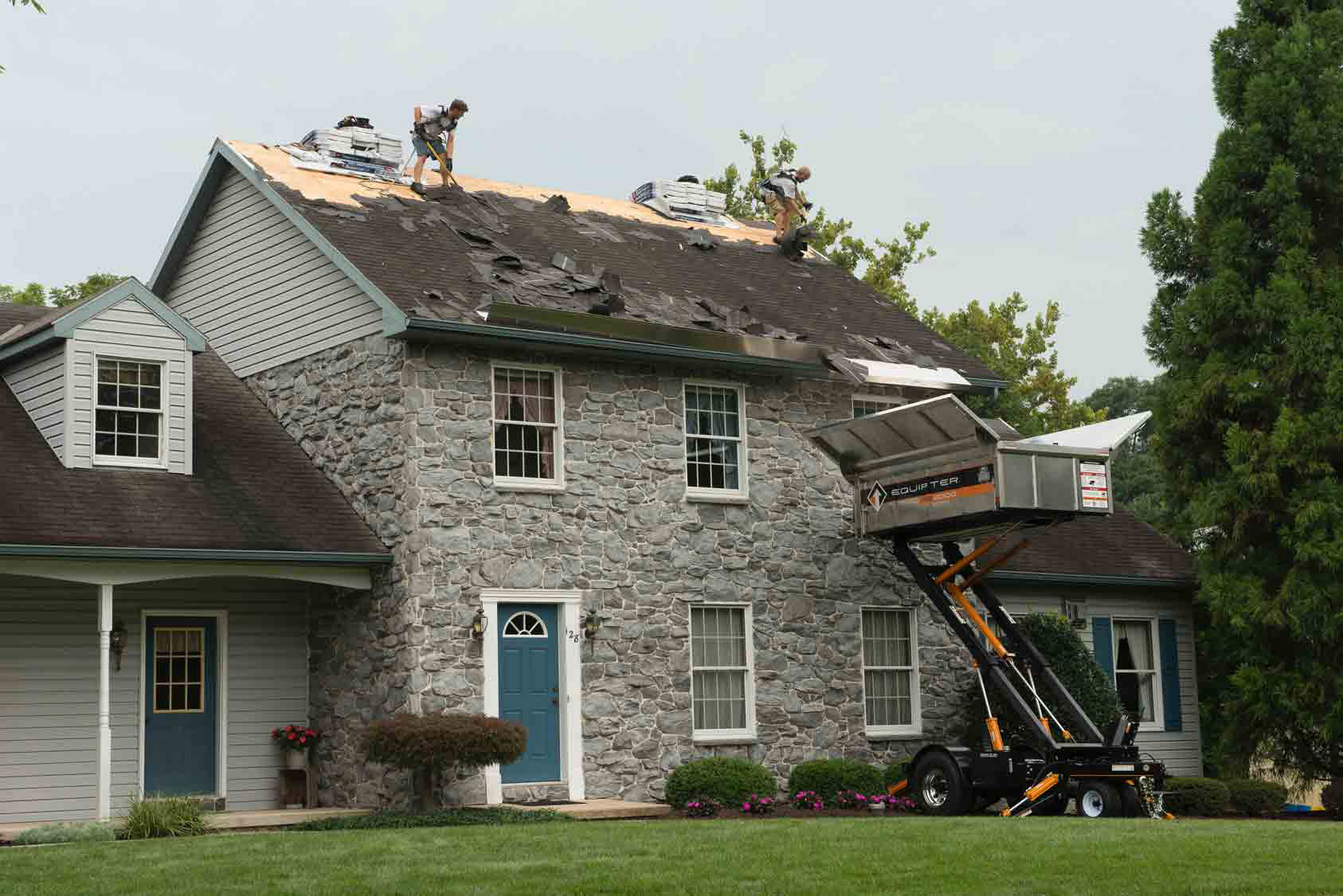
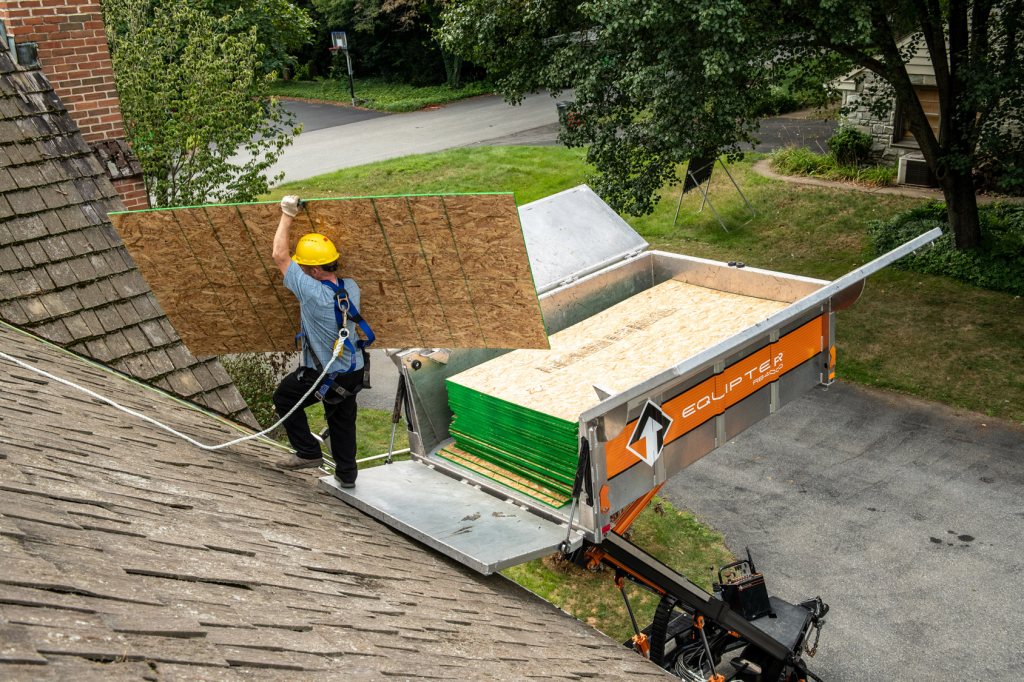
Real jobs, start to finish: the tear-off, a debris trailer at the roof edge, and the cleanup.
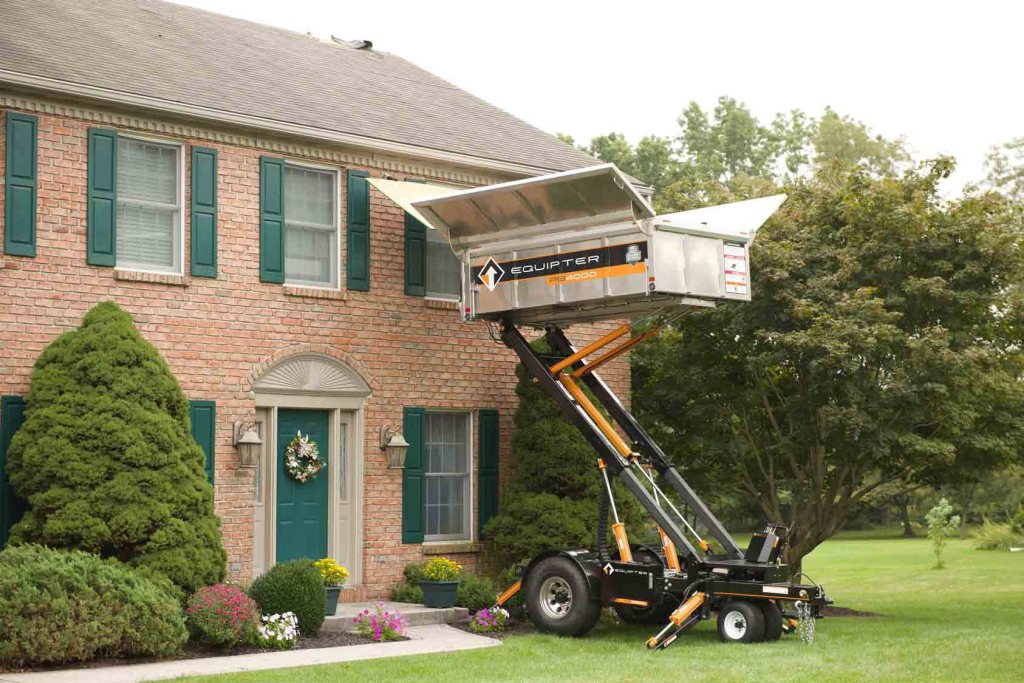
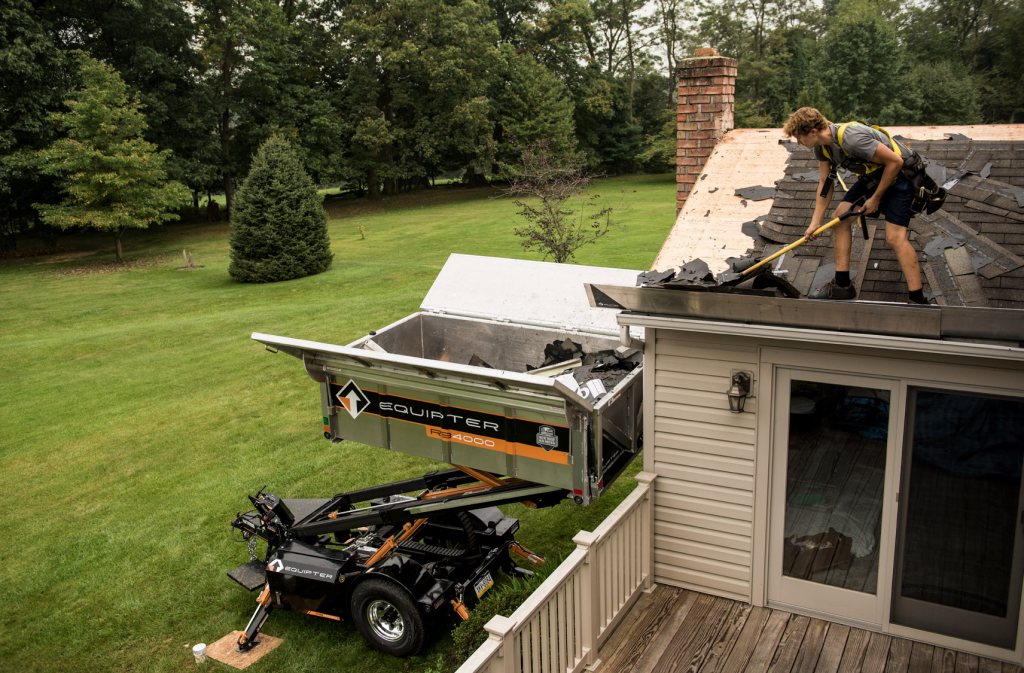
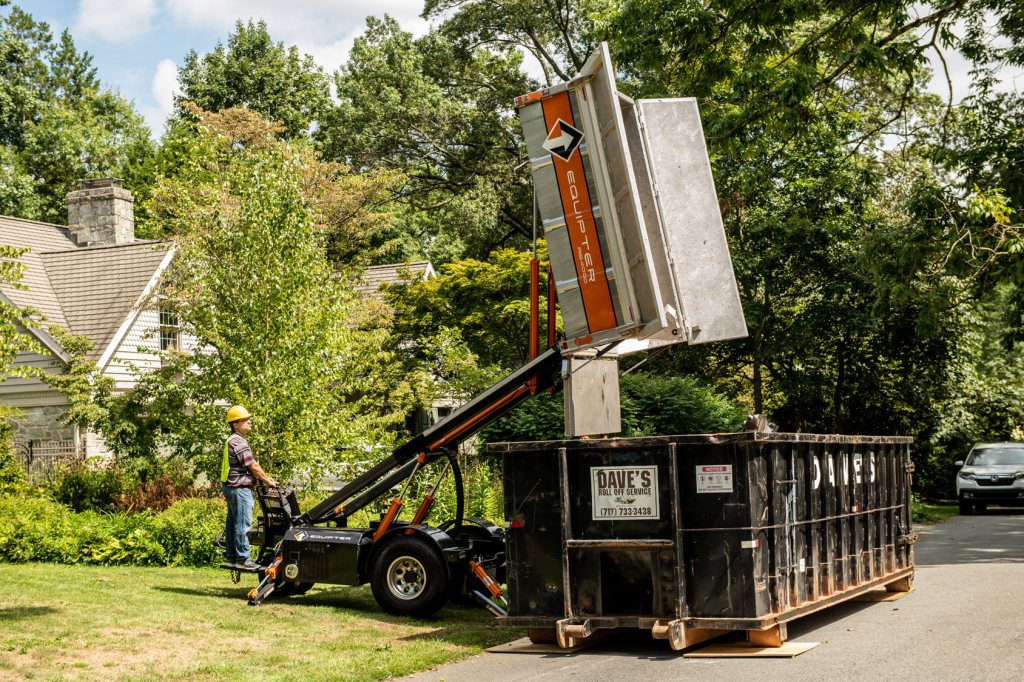
Completed as JMA Exteriors, prior to the RYDGE rebrand.
Storm questions
What homeowners ask after a storm.
How soon should I report storm damage?
Check your policy. Most ask you to report damage promptly, and some set a deadline. If you are not sure there is damage, have the roof inspected first so you know what you are reporting.
Will you work with my insurance adjuster?
Yes. We meet the adjuster at the house, share what we documented, and explain the construction scope. Coverage decisions stay with you and your insurance company.
Can I choose my own contractor?
In most cases, yes. Your insurer may recommend contractors, but you decide who works on your home. If your policy says something different, we will go through it with you.
Does visible damage always mean I need a new roof?
No. It depends on the roof, the type of damage, and how far it goes. We explain what we found and recommend the right next step, whether that is a repair, a replacement, or nothing at all.
A contractor knocked on my door after the storm. What should I do?
Take your time. Ask for their Pennsylvania home improvement registration number and check it with the Attorney General at hicsearch.attorneygeneral.gov or 1-888-520-6680. Get more than one estimate, and do not sign anything under pressure.
Start with a conversation
Storm come through? Start with an inspection.
Tell us where the house is and what you have noticed. We look at the roof, document what we find, and talk through whether an insurance claim makes sense.
Rather talk it through now? 717-368-2102
Keep insurance policy numbers and financial details out of the form.
Request a roof inspection
Two short steps: the project and your ZIP code, then how to reach you. Fields marked required must be filled in.